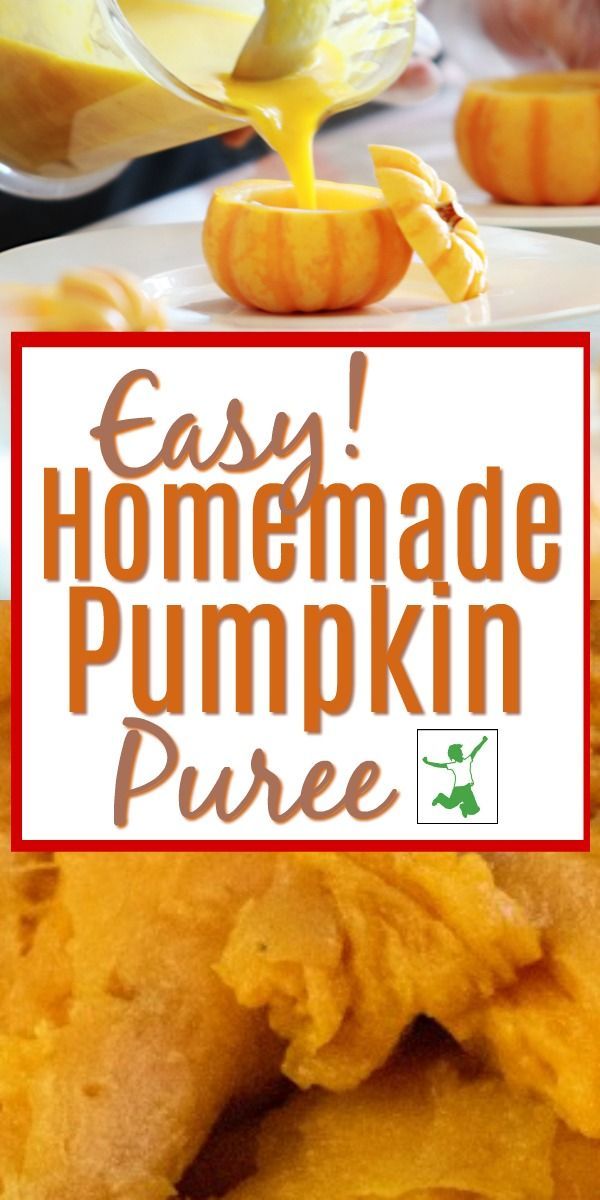
Mastering Homemade Pumpkin Puree: The Essential Guide to Choosing the Right Pumpkin
There's an undeniable magic that comes with the arrival of autumn – crisp air, colorful leaves, and the comforting aroma of pumpkin spice. While canned pumpkin puree is a staple for many, the truth is, nothing quite compares to the vibrant flavor and freshness of a truly homemade pumpkin puree. It’s a simple, rewarding process that elevates all your favorite fall recipes, from pies and breads to savory soups and curries. If you've ever felt intimidated by the idea, prepare to be surprised; mastering your own
homemade pumpkin puree recipe is far easier than you might imagine, and it all begins with a crucial first step: selecting the perfect pumpkin.
Why Choose Homemade Pumpkin Puree Over Canned?
The convenience of a can is hard to beat, but once you experience the difference, you might never go back. Opting for homemade pumpkin puree brings a multitude of benefits that enhance both the taste and quality of your culinary creations.
*
Superior Flavor and Texture: Canned pumpkin puree, while functional, often carries a subtle metallic undertone or a somewhat bland profile. Homemade puree, on the other hand, boasts a naturally sweet, earthy flavor that's incredibly vibrant. Its texture can also be customized – smoother for silky pies, or slightly thicker for hearty stews. This depth of flavor truly shines, making your dishes taste authentically autumnal.
*
Pure and Natural Ingredients: When you make it yourself, you control what goes into it. There are no preservatives, added sugars, or artificial flavors – just pure, unadulterated pumpkin. This is especially appealing for those mindful of their diet or dealing with allergies.
*
Cost-Effective and Abundant: Especially during peak harvest season, pie pumpkins are readily available and often more economical than their canned counterparts, particularly if you find them at a local farm stand or farmers' market.
*
Empowering Culinary Experience: There's a certain satisfaction that comes from creating ingredients from scratch. Making your own pumpkin puree connects you more deeply with your food and the seasonal bounty, enriching your entire cooking and baking journey. For an in-depth look at just how simple it is, check out our guide on
Homemade Pumpkin Puree: Easy Recipe & Better Than Canned.
The Golden Rule: Selecting the Perfect Pumpkin for Puree
This is arguably the most critical step in achieving a delicious
homemade pumpkin puree recipe. Not all pumpkins are created equal, and choosing the right variety will significantly impact the flavor, texture, and overall success of your puree.
Not All Pumpkins Are Created Equal
When you wander through a pumpkin patch or grocery store aisle in the fall, you'll be met with an array of shapes, sizes, and colors. It's important to understand that many of these are ornamental – bred for carving and decoration, not for eating. Their flesh tends to be watery, stringy, and bland, making them unsuitable for cooking.
*
The Ideal Choice: Pie Pumpkins (or Sugar Pumpkins)
These are your best friends for any pumpkin-based recipe. Pie pumpkins, often labeled as "sugar pumpkins," are specifically cultivated for their culinary qualities.
*
Characteristics: They are typically smaller (ranging from 6 to 10 inches in diameter), denser, less stringy, and have a sweeter, richer flavor than carving pumpkins. Their flesh is also less fibrous and contains less water, resulting in a thicker, more concentrated puree.
*
Common Varieties: Look for "Sugar Pie," "New England Pie," "Baby Pam," "Small Sugar," or sometimes simply "Pie Pumpkin."
*
Why They Are Ideal: Their inherent sweetness and dense texture make them perfect for roasting, yielding a naturally flavorful and smooth puree that requires minimal extra seasoning. An 8-inch pie pumpkin is a fantastic starting point for any
homemade pumpkin puree recipe.
*
Avoid at All Costs: Jack-o'-Lantern Pumpkins (Carving Pumpkins)
These large, often bright orange pumpkins are designed for their size and ease of carving, not their flavor.
*
Characteristics: They have thin, stringy, and watery flesh with a very mild, almost flavorless taste.
*
Why They Are Unsuitable: While technically edible, attempting to make puree from a carving pumpkin will result in a watery, bland, and often stringy product that will disappoint in any recipe. Save these for your porch decorations!
*
Beyond Pumpkins: Other Edible Winter Squash Varieties
While the focus is on pumpkins, it's worth noting that many other winter squash varieties can be used interchangeably with pie pumpkin puree in recipes, often with equally (if not superior) results. These include:
*
Butternut Squash: Sweet, creamy, and less stringy than most pumpkins, butternut makes a fantastic puree.
*
Kabocha Squash: Known for its intense sweetness and dense, almost potato-like texture, yielding a rich puree.
*
Acorn Squash: Offers a milder, slightly nutty flavor.
*
Hubbard Squash: A very large squash with sweet, fine-textured flesh, excellent for large batches of puree.
Using these can add a delightful twist to your
homemade pumpkin puree recipe.
The Simple Steps to Your Own Homemade Pumpkin Puree
Once you’ve selected your perfect pie pumpkin, the rest is remarkably straightforward. This method is designed to be simple and virtually foolproof.
Preparation is Key
1.
Preheat Your Oven: Set your oven to 375°F (190°C).
2.
Prepare Baking Sheet: Line a 9x13 inch baking sheet (or similar size) with parchment paper or a silicone baking mat. This prevents sticking and makes cleanup a breeze.
3.
Wash and Prep Pumpkin: Thoroughly wash the exterior of your pumpkin. Using a sharp, sturdy knife, carefully remove the stem. Then, cut the pumpkin in half from top to bottom.
4.
Scoop Out Guts: With a spoon, scrape out all the stringy bits and seeds from both halves. Don't discard the seeds if you enjoy roasted pumpkin seeds – they make a delicious snack!
Roasting for Flavor
1.
Place Face Down: Position your pumpkin halves face down on the prepared baking sheet. This allows them to steam slightly as they bake, helping the flesh become tender and moist.
2.
Bake Until Tender: Bake for approximately 45 minutes for an 8-inch diameter pumpkin. Cooking time will vary based on your pumpkin's size and density.
*
Doneness Test: The pumpkin is ready when its skin is easy to pierce with a knife or fork. If you have a larger pumpkin, add about 5 minutes of cooking time per inch of additional diameter. Conversely, for smaller pumpkins, reduce the time by 5 minutes per inch.
3.
Rest and Cool: Once cooked, remove the pumpkin from the oven and let it rest, undisturbed, for about 10 minutes. This allows the residual heat to continue cooking it slightly and makes scooping easier.
Transforming into Puree
1.
Scoop Out Flesh: Carefully flip the pumpkin halves over. The cooked flesh should be soft and easy to scoop out with a spoon. Transfer the pumpkin flesh into a large bowl.
2.
Mash or Blend:
* For a slightly textured puree, use a potato masher to mash the cooked pumpkin until smooth.
* For a perfectly smooth, silky puree (ideal for pies and custards), transfer the pumpkin to a blender or food processor and blend until no lumps remain. You may need to add a tablespoon or two of water to help it blend, but be mindful not to make it too watery.
* *Pro Tip:* For an extra-smooth and drier puree, you can press the blended pumpkin through a fine-mesh sieve or cheesecloth after blending. This removes any last fibers and excess moisture, yielding a thicker, more concentrated product.
Maximizing Your Homemade Pumpkin Puree: Storage & Usage
Once your luscious
homemade pumpkin puree recipe is complete, you'll want to know how to store and utilize it effectively.
Storage Solutions
Your freshly made pumpkin puree is incredibly versatile, and you can store it in several ways to enjoy its goodness long after the initial batch.
*
Refrigeration: For immediate use, store your puree in an airtight container in the refrigerator for up to one week.
*
Freezing: This is an excellent option for longer storage, keeping your puree fresh for up to three months.
*
Glass Jars: Use straight-sided glass jars (without "shoulders") and always leave at least an inch of headroom to allow for expansion during freezing.
*
Freezer Bags: Portion the puree into freezer-safe bags, flatten them, and stack for efficient freezer space.
*
Ice Cube Trays: For smaller portions perfect for smoothies or baby food, freeze puree in ice cube trays, then transfer the frozen cubes to a freezer bag.
*
Dehydrating: For the longest shelf life, you can dehydrate your puree. Spread a thin, even layer of puree on dehydrator mats (silicone mats or parchment paper on trays). Dehydrate until the puree is brittle and easily crumbles. Store the dehydrated "pumpkin powder" in an airtight jar with a desiccant for pantry storage. When ready to use, reconstitute with water.
For detailed instructions and tips on long-term storage, refer to our comprehensive guide:
Store Your Homemade Pumpkin Puree: Freeze, Dehydrate & More.
Creative Culinary Uses
Your homemade pumpkin puree can be used measure-for-measure in any recipe that calls for canned pumpkin puree. The sky's the limit for its applications:
*
Sweet Delights: Classic pumpkin pie, pumpkin bread, muffins, cookies, cheesecakes, lattes, smoothies, and even oatmeal.
*
Savory Sensations: Rich pumpkin soup, creamy pasta sauces, risotto, curries, chili, or blended into hummus for an autumnal twist.
Embrace the season and the incredible versatility of your
homemade pumpkin puree recipe.
Making your own pumpkin puree is more than just a cooking task; it's an experience that deepens your connection to seasonal eating and rewards you with superior flavor. By simply choosing the right pumpkin – those delightful "pie pumpkins" – and following a few easy steps, you can create a fresh, vibrant, and utterly delicious ingredient that will elevate all your fall recipes. Skip the can this year, and discover the unmatched taste and satisfaction of a truly homemade pumpkin puree.