The golden hues of autumn bring with them a bounty of culinary delights, and for many home cooks, few things are as satisfying as creating your own rich, velvety homemade pumpkin puree. It’s an ingredient that elevates everything from pies and lattes to soups and breads, offering a depth of flavor and freshness that simply can’t be matched by its canned counterparts. Once you’ve mastered the art of making this autumn staple, the next logical step is to learn how to store it effectively, ensuring you can enjoy its goodness long after the last fall leaf has fallen. This guide will walk you through the best methods for preserving your homemade pumpkin puree, including freezing, dehydrating, and more, helping you extend its shelf life and savor the taste of homemade goodness year-round.
The Magic of Homemade Pumpkin Puree: A Quick Recap
Before diving into storage, let's briefly celebrate why making your own pumpkin puree is a game-changer. It’s incredibly simple, often requiring just one ingredient – a pie pumpkin – and a few basic kitchen tools. The process involves roasting, scooping, and blending, transforming a humble pumpkin into a vibrant, flavorful puree. Unlike the often bland or metallic taste of canned pumpkin, homemade pumpkin puree boasts a naturally sweet, earthy flavor that shines through in all your dishes. Plus, you have complete control over the ingredients, ensuring no additives or preservatives, just pure pumpkin goodness.
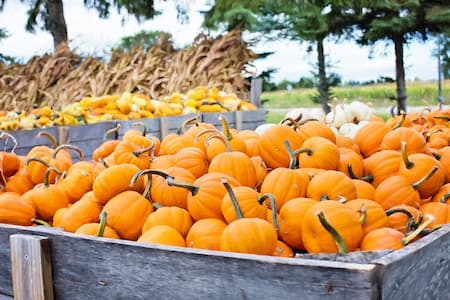
The key to a successful batch starts with choosing the right pumpkin. Forget the large, stringy Jack-o'-lantern varieties; instead, opt for smaller, denser "pie pumpkins" or "sugar pumpkins." These are specifically bred for their sweet, tender flesh and lower water content, making them ideal for puree. If you're looking for detailed guidance on selecting the perfect pumpkin and the step-by-step process of preparing a fantastic homemade pumpkin puree recipe, be sure to check out our comprehensive guide on Mastering Homemade Pumpkin Puree: Choose the Right Pumpkin.
Once your pumpkin is roasted and blended to a smooth, creamy consistency, you’ll be left with approximately 32 ounces (or more, depending on your pumpkin's size) of pure gold. This homemade puree can be used measure-for-measure in any recipe that calls for canned pumpkin, making it a versatile ingredient for all your autumn and winter baking and cooking endeavors.
Immediate Storage & Short-Term Freshness: Refrigeration
For immediate use or short-term storage, the refrigerator is your best friend. After preparing your homemade pumpkin puree, allow it to cool completely before transferring it to an airtight container. Cooling thoroughly is crucial to prevent condensation and bacterial growth, which can shorten its shelf life.
- Airtight is Key: Use glass jars with tight-fitting lids or sturdy plastic containers. The less air exposure, the better the puree will retain its freshness and flavor.
- Shelf Life: Stored properly in the refrigerator, your homemade pumpkin puree will remain fresh for up to one week. This makes it perfect for a week of pumpkin-infused breakfasts, lunches, or dinners.
- Quick Uses: Within this week, consider adding it to oatmeal, smoothies, yogurt, or even savory dishes like chili or pasta sauces. It's an easy way to boost nutrition and flavor.
Always remember to label your containers with the date of preparation. This simple habit ensures you use your puree while it's at its peak and helps you practice good food safety.
Long-Term Preservation Methods: Freezing Your Puree
When you have an abundance of homemade pumpkin puree and want to enjoy it for months to come, freezing is an excellent, straightforward method. It allows you to preserve the puree’s flavor and nutritional value for an extended period, making it readily available whenever inspiration strikes.
How to Freeze Homemade Pumpkin Puree Effectively:
- Cool Completely: Ensure your puree is completely cool before freezing. Warm puree can create ice crystals and affect the texture upon thawing.
- Portioning for Convenience: Divide your puree into practical portions. This prevents you from having to thaw a large batch when you only need a small amount.
- Ice Cube Trays: For small, single-serving portions (great for smoothies or baby food), freeze puree in ice cube trays. Once solid, transfer the cubes to a freezer-safe bag.
- Freezer-Safe Bags: For larger, measured portions (e.g., 1-cup or 2-cup increments), use heavy-duty freezer bags. Press out as much air as possible before sealing, and flatten them for efficient storage. This also helps them thaw faster.
- Containers: Straight-sided glass jars (without "shoulders" or narrow necks) or freezer-safe plastic containers are ideal for larger quantities.
- Allow Headroom: This is a critical step, especially when using rigid containers like jars. Liquids expand when they freeze. Leave at least an inch (or more for larger containers) of headroom between the top of the puree and the lid to prevent containers from cracking or breaking.
- Label and Date: Always label your frozen puree with the contents (e.g., "Pumpkin Puree") and the date it was frozen. This helps you keep track of your inventory and ensures you use older batches first.
Shelf Life: Properly frozen homemade pumpkin puree can last for up to 3 months, and often even longer, while maintaining optimal quality. It can technically be safe to eat beyond that, but quality may start to degrade.
Thawing Your Frozen Puree:
When you’re ready to use your frozen puree, the best way to thaw it is in the refrigerator overnight. For quicker thawing, you can place the sealed bag or container in a bowl of cold water, changing the water every 30 minutes until thawed. Avoid thawing at room temperature, as this can encourage bacterial growth.
Advanced Preservation: Dehydrating Pumpkin Puree
For those looking for an even longer-term storage solution that also saves space, dehydrating your homemade pumpkin puree is an excellent option. This method removes nearly all moisture, creating a shelf-stable product that can be rehydrated or used in powdered form.
The Dehydration Process:
- Prepare for Dehydrator: Spread a thin, even layer of your cooled homemade pumpkin puree onto dehydrator trays. Most stacking dehydrators come with solid trays or plastic mesh screens. For a non-stick surface, you can use silicone mats (like those designed for Excalibur dehydrators) or parchment paper cut to fit your trays. Aim for a thickness of about 1/4 inch or less for efficient drying.
- Dehydrate: Set your dehydrator to a temperature suitable for vegetables, usually around 135-145°F (57-63°C). The drying time will vary depending on your dehydrator, the thickness of the puree, and humidity levels, but it can take anywhere from 8 to 18 hours or even longer.
- Check for Doneness: The pumpkin puree is fully dehydrated when it has turned brittle and is easy to crumble. It should feel completely dry to the touch, with no pliability or stickiness. If it's still flexible, continue dehydrating.
- Conditioning (Optional but Recommended): Once the puree feels dry, let it cool completely. Then, place the brittle pieces loosely in an airtight container for a few days, shaking it periodically. This allows any remaining moisture to equalize, preventing mold growth.
- Store: Once fully conditioned and dry, you can break the pieces into smaller flakes or grind them into a fine powder using a blender or food processor. Store the dehydrated pumpkin in an airtight jar, ideally with a food-safe desiccant packet to absorb any residual moisture and ensure long-term stability. Keep it in a cool, dark place.
Uses for Dehydrated Pumpkin:
- Rehydration: Reconstitute with hot water to create puree for soups, stews, or baked goods.
- Powdered Form: Use pumpkin powder to thicken sauces, add to smoothies, sprinkle into oatmeal, or even incorporate into spice blends for a boost of flavor and nutrition.
Tips for Maximizing Your Puree's Longevity and Flavor
Beyond the specific storage methods, a few general best practices can help ensure your homemade pumpkin puree recipe yields the best results and lasts as long as possible:
- Start with Quality: The fresher and higher quality your pie pumpkin, the better your puree will taste and the longer it will maintain its quality in storage.
- Cook Thoroughly: Ensure your pumpkin is fully cooked and tender before blending. This not only enhances flavor but also contributes to a smoother puree. The shell should be easily pierced with a knife when it's ready.
- Cool Down Quickly: After blending, cool the puree rapidly before storing. You can divide it into smaller, shallow containers to speed up the cooling process.
- Sanitation is Key: Always use clean utensils, containers, and work surfaces to minimize the introduction of bacteria.
- Label Everything: Make it a habit to label all your stored items with the contents and the date. This helps you rotate your stock (following the "First In, First Out" principle) and prevents food waste.
- Airtight is Non-Negotiable: Whether in the fridge, freezer, or pantry, keeping your puree in airtight containers is crucial to prevent oxidation, freezer burn, and moisture absorption.
Conclusion
Crafting your own homemade pumpkin puree recipe is a rewarding endeavor that brings unparalleled freshness and flavor to your kitchen. By understanding and implementing proper storage techniques—from short-term refrigeration to long-term freezing and dehydrating—you can extend the life of this versatile ingredient and enjoy the taste of autumn all year long. Embrace these simple yet effective preservation methods, and you’ll always have a supply of delicious homemade pumpkin puree ready to transform your culinary creations, making every dish a little more special and a lot more flavorful.
